Free delivery: Estonia €30 · Latvia €35 · Lithuania €40 · Finland €60 · Poland €50
Free delivery: Estonia €30 · Latvia €35 · Lithuania €40 · Finland €60 · Poland €50. 14 days to return unopened goods. Original products from official suppliers. Convenient payment: bank links, Visa/Mastercard, Apple Pay, Google Pay, PayPal. We explain how the products differ and help you choose
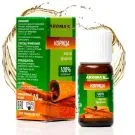
Cinnamon essential oil is often included in homemade insect-discouraging blends because many insects find its strong, spicy scent unpleasant. It can be used as part of a broader strategy, not as a sole guarantee of protection. To make a room or surface spray, combine it with other oils known for similar properties, such as citronella, lemongrass, or peppermint. A typical recipe might involve adding 10-15 drops total of your chosen essential oil blend to about 30 ml of water and 15 ml of witch hazel or vodka (to help the oils disperse) in a spray bottle. Shake well before each use and spray around window sills, doorways, or outdoor seating areas.
It's important to manage expectations: the oil creates an aromatic barrier that may discourage insects from settling in a treated area, but its potency diminishes as the scent dissipates, requiring reapplication. It is not a registered insecticide and will not eliminate an existing infestation. This use aligns with the oil's strong, concentrated character—a few drops are enough to change the scent profile of a space significantly. Always test the spray on a small, inconspicuous area of fabric or surface first to ensure it doesn't cause staining or damage.