
Hyaluronic acid
Hyaluronic acid is a moisture-binding ingredient that is especially common in face care. Most of the selection consists of face products: creams, masks, serums and eye patches. It also includes hand creams, body care products and shower gels with hyaluronic acid in the formula. There are also food supplements: hyaluronic acid as a liquid, in capsules and in tablets, and collagen with hyaluronic acid.
In the catalogue: Face care, Face creams, Face masks.
Related selections: Face moisturising, Moisturising creams, Anti-ageing face care.
How to choose hyaluronic acid: cosmetics and supplements
Hyaluronic acid comes in cosmetics (serums, creams, masks, body care) and in food supplements. First decide whether you want skin care or a supplement, then choose the form.
What the selection includes
- Food supplements – hyaluronic acid as a liquid, in capsules and in tablets.
- For the face – serums, gels and creams. A serum or gel goes on first, the cream on top.
- Masks and the eye area – sheet masks, hydrogel under-eye patches and an eye-area serum.
- For body and hands – body creams and balms, a foam, a shower gel and hand creams.
- Collagen with hyaluronic acid – supplements in capsules, as a powder and as a liquid.
What to check on the pack
- Cosmetic ingredients: hyaluronic acid is listed as Hyaluronic Acid or Sodium Hyaluronate; the nearer the top of the ingredient list, the more of it the product contains.
- Percentage: if it is stated (for example "3%"), compare products by it.
- What else is inside: hyaluronic acid is often combined with retinol, vitamin C, collagen or sun filters. Choose the combination that fits your routine and use the product as the pack says.
- Supplements: check how many milligrams of hyaluronic acid one daily dose contains and work out the price per day: pack price ÷ number of daily doses.
Test cosmetics on a small area of skin before first use; stop using the product if irritation appears. Food supplements are not a substitute for a varied diet; do not exceed the recommended daily dose. If you are pregnant, breastfeeding or take medication, ask a doctor before taking supplements.
Our pick
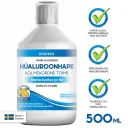
The best seller of each group over the last 90 days.
Questions and answers about these products
Yes — introduce it slowly on alternate mornings, watch for irritation, and always use sunscreen. Avoid the eye area.
Niacinamide is generally well-tolerated, but if you have sensitive skin, introduce the cream gradually and avoid combining it with too many strong actives at once.
This cream uses sodium hyaluronate (the salt form of hyaluronic acid) to attract and hold water in the skin, supported by glycerin and oils that reduce moisture loss.
Hyaluronic acid hydrates and plumps the skin surface, while the charcoal helps the skin feel less heavy and congested, especially in areas prone to oiliness.
Use it after cleansing and before serums or creams. It helps complete the cleansing step, rehydrate the skin surface, and prepare it for the next products.