Free delivery: Estonia €30 · Latvia €35 · Lithuania €40 · Finland €60 · Poland €50
Free delivery: Estonia €30 · Latvia €35 · Lithuania €40 · Finland €60 · Poland €50. 14 days to return unopened goods. Original products from official suppliers. Convenient payment: bank links, Visa/Mastercard, Apple Pay, Google Pay, PayPal. We explain how the products differ and help you choose
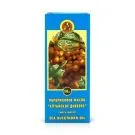
Sea buckthorn oil is unusual because its fatty-acid composition includes a significant amount of palmitoleic acid (omega-7), a lipid that is a natural component of human skin and the mucous membranes that line our digestive and respiratory tracts. This biochemical similarity is why the oil has a long history of traditional use both as a food and a topical application — it's well-tolerated and provides nourishment in a form the body recognizes.
For external use, it's a simple, single-ingredient cosmetic oil. Apply a small drop to clean, dry skin where needed. It's traditionally used to soften:
Chapped lips
Rough elbows, knees, or heels
Areas of skin exposed to harsh weather or drying conditions
The ends of dry hair as a conditioning treatment (use sparingly to avoid greasiness)
The oil forms a thin, nourishing film that helps retain moisture. Because of its intense carotenoid pigments, it can leave a slight orange tint on very light skin or fabrics, so let it absorb fully. It is not intended to diagnose, treat or prevent skin conditions. For external use, always do a patch test first on a small area of skin to check for sensitivity.