Free delivery: Estonia €30 · Latvia €35 · Lithuania €40 · Finland €60 · Poland €50
Free delivery: Estonia €30 · Latvia €35 · Lithuania €40 · Finland €60 · Poland €50. 14 days to return unopened goods. Original products from official suppliers. Convenient payment: bank links, Visa/Mastercard, Apple Pay, Google Pay, PayPal. We explain how the products differ and help you choose
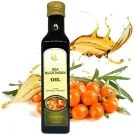
The oil is cold-pressed from both sea buckthorn seeds and berries, a process that avoids the high temperatures used in refined oil production. This preserves heat-sensitive components — notably the carotenoids (beta-carotene and lycopene) that give the oil its intense colour, the tocopherols and phytosterols naturally present in the raw material, and the unusual fatty acid profile that includes omega-7 (palmitoleic acid) alongside omega-3, 6 and 9. When heated above roughly 130–140 °C these compounds begin to oxidise and break down: the colour fades, the tart aroma turns bitter, and the nutritional profile that makes the oil distinctive is diminished. For this reason the producer explicitly positions it as a cold-use oil. If you need a cooking fat for sautéing or roasting, use a stable, high-smoke-point oil (such as refined rapeseed, ghee or coconut oil) and finish the plated dish with a drizzle of sea buckthorn oil instead. This way you get the functional benefits of a heat-stable cooking fat plus the colour, flavour and nutrient contribution of the sea buckthorn oil where it matters — on the plate.
 Loading