Free delivery: Estonia €30 · Latvia €35 · Lithuania €40 · Finland €60 · Poland €50
Free delivery: Estonia €30 · Latvia €35 · Lithuania €40 · Finland €60 · Poland €50. 14 days to return unopened goods. Original products from official suppliers. Convenient payment: bank links, Visa/Mastercard, Apple Pay, Google Pay, PayPal. We explain how the products differ and help you choose
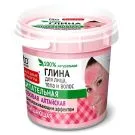
What should I do immediately after rinsing off the mask to avoid that tight, dry feeling? — PHYTOCOSMETIC ALTAI PINK CLAY, NUTRITION 155ML (Phytocosmetics)
The mask's cleansing action comes from Pink Altai clay absorbing excess sebum, sunscreen residue, and environmental particulates as it dries. This leaves the skin or scalp very clean — sometimes described as "squeaky" — which means the natural lipid film has been temporarily reduced. If you skip the follow-up step, transepidermal water loss increases and the tight sensation lingers.
Face: While skin is still damp (within 2–3 minutes of rinsing), apply a moisturiser containing humectants (glycerin, hyaluronic acid, panthenol) and occlusive lipids (ceramides, squalane, shea butter, or a light oil). If you use active serums (retinoids, vitamin C, acids), consider pausing them on mask days to avoid compounding irritation.
Body: Pat skin dry but leave it slightly moist, then massage in a body lotion or oil. Formulas with urea, lactic acid, or ceramides work well post-clay to support barrier recovery and smooth rough texture.
Scalp and hair: After rinsing the mask thoroughly, shampoo if needed (usually yes, to remove all clay particles), then apply conditioner or a hair mask exclusively to mid-lengths and ends. Avoid the scalp with conditioner if you're prone to greasiness. A lightweight leave-in serum on damp ends adds extra protection if your hair is colour-treated or heat-styled.
Consistency matters more than intensity: a moderate mask session followed by proper replenishment gives better long-term results than an aggressive session with skipped aftercare.