
Scalp sensitivity: Even though the base contains burdock oil, henna itself can be drying and slightly astringent. If you have a history of contact dermatitis, eczema, or psoriasis on the scalp, apply a thin barrier of petroleum jelly or a fragrance-free barrier cream along the hairline, ears, and nape before starting. Perform a standard patch test: dab a pea-sized amount behind the ear or on the inner forearm, leave 48 hours, and watch for redness, itching, or swelling. If any reaction occurs, do not use the product. Recently bleached, permed, or chemically straightened hair: These treatments raise cuticle porosity dramatically. Henna will grab onto that open structure faster and darker, so reduce the processing time to 15–20 minutes for the first application and check the strand test frequently. Uneven porosity (common after partial bleaching or overlapping relaxer applications) can lead to banding — darker bands where the hair is more damaged. If you see this during the strand test, consider a protein filler or a light oil pre-treatment on the most porous ends before applying the henna cream. General rule: Wait at least two weeks after any chemical service before using this product, and consult your stylist if you're unsure about your hair's current condition.
What precautions should I take if I have a sensitive scalp, recently bleached hair, or a history of chemical treatments? — Iranian henna hair cream fire red (copper) 50ml – Phytocosmetics
Question about the product
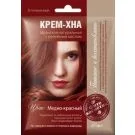
Iranian henna hair cream fire red (copper) 50ml – Phytocosmetics
€2.95
Go to product