Free delivery: Estonia €30 · Latvia €35 · Lithuania €40 · Finland €60 · Poland €50
Free delivery: Estonia €30 · Latvia €35 · Lithuania €40 · Finland €60 · Poland €50. 14 days to return unopened goods. Original products from official suppliers. Convenient payment: bank links, Visa/Mastercard, Apple Pay, Google Pay, PayPal. We explain how the products differ and help you choose
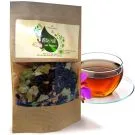
What makes fermented fireweed tea (Ivan Chai) different from other herbal teas, and why is it caffeine-free? — ELDER HEMP TEA "STRENGTH OF YOUTH" 50G SIBIR BEZ GRANITS ( ivan-chai )
Most herbal teas (chamomile, mint, rooibos, hibiscus) are simply dried botanicals. Ivan Chai undergoes a controlled fermentation similar to black tea production: after harvest, the fireweed leaves are wilted, rolled to break cell walls, and left to oxidize before slow drying. This enzymatic oxidation transforms the leaf chemistry — chlorophyll breaks down, polyphenols polymerize, and new aromatic compounds form. The result is a tea that brews amber to deep copper, with a rounded, almost malty body and layered notes of earth, dried fruit, and honey that you do not get from unfermented fireweed or typical herbals.
The caffeine-free status is botanical, not processed: Epilobium angustifolium simply does not synthesize caffeine. There is no decaffeination step, no solvent residue, and no flavor loss from removal. This makes it a genuine evening drink — no stimulant effect, no sleep disruption — while still delivering the ritual and mouthfeel of a "real" tea. The fermentation also reduces the grassy, astringent edge common in raw herbal infusions, so people who find plain herbals thin or sharp often prefer this style.
Historically, the Koporye region near St. Petersburg developed this method centuries ago, and the tea was widely traded in Europe before black tea from China and India dominated. The loose leaf format here continues that tradition: whole leaves retain volatile aromatics better than broken grades, and you can visually assess leaf quality — look for twisted, dark olive-to-brown pieces with a sweet, fermented aroma. If the blend contains only fireweed (check the pack), you are getting a single-botanical product with a consistent profile batch to batch.