
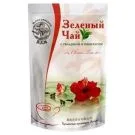
The primary difference lies in the processing of the tea leaves. This blend uses non-fermented green tea sourced from Hunan Province, China. Because the leaves are not oxidised (fermented) like black tea, they retain a higher concentration of their original plant compounds, such as catechins and flavonoids. These compounds are often valued for their antioxidant properties and contribute to the fresh, light character that defines this category of tea.
For the consumer, this processing method means the base tea has a distinctively grassy and delicate profile compared to the robust, darker taste of black tea. To enjoy this specific character, it is important to brew the tea at a lower temperature, ideally between 70°C and 80°C. Using boiling water can scorch the delicate green leaves, releasing excessive bitterness and masking the subtle notes provided by the added botanicals.
The addition of cloves and hibiscus further differentiates this blend. The cloves introduce a warm, spicy aroma derived from eugenol, while the hibiscus adds a gentle tartness and a reddish tint to the infusion. Together, these ingredients soften the typical grassy edge of green tea, creating a more layered and expressive flavour that is suitable for both morning consumption and afternoon breaks.