Free delivery: Estonia €30 · Latvia €35 · Lithuania €40 · Finland €60 · Poland €50
Free delivery: Estonia €30 · Latvia €35 · Lithuania €40 · Finland €60 · Poland €50. 14 days to return unopened goods. Original products from official suppliers. Convenient payment: bank links, Visa/Mastercard, Apple Pay, Google Pay, PayPal. We explain how the products differ and help you choose
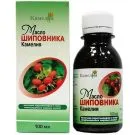
The value is in the composition. Rosehip oil contains linoleic acid and linolenic acid — both are polyunsaturated fats. In plain terms, these fats are structural material that the body uses to build cell membranes and take part in regulatory processes. They are not the same as the monounsaturated fats in olive oil or the saturated fats in coconut oil, so adding rosehip oil to your menu gives a different fatty acid profile.
The oil also contains carotenoids — plant pigments that the body can use as provitamin A — and vitamin E, which is a natural antioxidant. Vitamin E helps protect fats and cells from oxidative stress caused by free radicals. That is why rosehip is a respected ingredient in food products: it provides a set of naturally occurring compounds, not because it treats anything.
If your diet already uses olive or rapeseed oil for most cooking, rosehip oil is a way to add variety. It has a slightly fruity, earthy taste that works well in cold dishes. It is not a substitute for a balanced diet, and it is not intended to diagnose, treat, or prevent any disease. It is simply a food with a particular nutrient profile.