
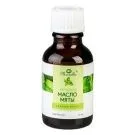
The oil’s distinctive cooling effect comes from its naturally high content of menthol and menthone, which are present in the steam‑distilled extract of Mentha piperita aerial parts.
Menthol activates the cold‑sensitive TRPM8 receptors located in the skin and mucous membranes. When these receptors are stimulated, the brain interprets the signal as a pleasant cooling sensation, even though there is no actual change in temperature.
This receptor interaction explains why a diluted peppermint oil feels refreshing on areas such as the temples, neck, or shoulders, and why its aroma is often described as clearing and invigorating during periods of mental fatigue or long working hours.
Peppermint oil pairs well with several other essential oils, including eucalyptus, lemon, rosemary, lavender, and tea tree. You can combine a few drops of each in a diffuser, massage blend, or inhalation water to create personalized aromatic profiles that suit your preferences.
Because the oil is highly concentrated, a little goes a long way. A single 25 ml bottle will last a considerable time with normal household use, so you only need to add small amounts to achieve the desired effect.
When experimenting with blends, start with low concentrations of peppermint oil—its aroma is strong and can dominate a mixture. Adjust the ratios gradually until you reach a balanced scent that you enjoy.
As with all essential oils, observe the same safety guidelines: always dilute before skin contact, perform a patch test, avoid use in the listed sensitive groups, and store the bottle closed, dark, and cool.