Free delivery: Estonia €30 · Latvia €35 · Lithuania €40 · Finland €60 · Poland €50
Free delivery: Estonia €30 · Latvia €35 · Lithuania €40 · Finland €60 · Poland €50. 14 days to return unopened goods. Original products from official suppliers. Convenient payment: bank links, Visa/Mastercard, Apple Pay, Google Pay, PayPal. We explain how the products differ and help you choose
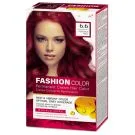
What factors influence the final shade, and what precautions should I take if my hair is porous, bleached, or previously colored? — Rubella fashion hair color brilliant red 6.6 115ml
Because this is an oxidative permanent dye (mixed with developer), the final color is a blend of the tube pigment and your existing base. The shade 6.6 is a vibrant red on a level-6 (dark blonde) canvas. If your hair is lighter (level 7–9), the red will appear brighter and more intense; if darker (level 4–5), the red will be subtler, more of a warm tint than a vivid pop. Previous artificial color also matters — old red or copper deposits amplify warmth, while ash or cool tones can mute the result.
Porosity is the biggest variable. Bleached, heat-damaged, or highly porous hair absorbs pigment unevenly and quickly, often producing a darker, cooler, or blotchy outcome. If your hair fits this description, consider a strand test on a hidden section first. You may also shorten the processing time by 5–10 minutes and use a lower-volume developer (e.g., 6 % / 20 vol instead of 9 % / 30 vol) if the instructions allow a range. Always perform the 48-hour allergy test before full application, even if you have used Rubella or other oxidative dyes before — sensitization can develop at any time.
Do not apply on irritated, broken, or sunburned scalp, and never use on eyebrows or eyelashes. If you have a history of contact allergy to paraphenylenediamine (PPD) or related dyes, consult a dermatologist before proceeding.