Free delivery: Estonia €30 · Latvia €35 · Lithuania €40 · Finland €60 · Poland €50
Free delivery: Estonia €30 · Latvia €35 · Lithuania €40 · Finland €60 · Poland €50. 14 days to return unopened goods. Original products from official suppliers. Convenient payment: bank links, Visa/Mastercard, Apple Pay, Google Pay, PayPal. We explain how the products differ and help you choose
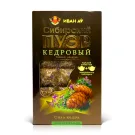
Fermented fireweed, also known as 'Ivan tea', undergoes a wilting, oxidation, and drying process similar to traditional tea leaves (like those for black tea or pu-erh), but with the Chamaenerion angustifolium plant. This process is key to developing its unique profile. Unlike fresh or simply dried fireweed, fermentation softens the initial grassy or hay-like notes and encourages the development of deeper, almost earthy flavours and a fuller body.
In this blend, the fermented fireweed acts as the foundational base. Its smoother, darker character complements and ties together the brighter, more aromatic elements from the forest botanicals—the fresh conifer scent from cedar needles and pine buds, and the balsamic, woody depth from cedar nuts and cones. The result is a layered, resinous, and woody cup without any caffeine, making it distinct from standard mint or chamomile herbal teas. The 'puer' reference in the name highlights this pressed format and the mature, rounded taste created by fermentation, not that it contains tea leaves (Camellia sinensis). This is a caffeine-free herbal infusion with a long tradition in Eastern European herbal tea culture.