
Question about the product
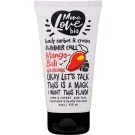
MONO LOVE BIO MANGO-BALI NOURISHING CREAM-SORBET FOR THE BODY 150ML - Gridem
€3.97
Go to product
A cream-sorbet is a texture category rather than a marketing name: the formula is whipped light so it melts on contact with warm skin and spreads with little effort, while still carrying a plant butter — in this case mango butter — that a watery lotion usually lacks.
In practice, the difference shows up in three ways:
- Compared with a body butter: dense butters can feel waxy, take time to absorb and may transfer onto clothing. The sorbet format is designed to sink in faster, so you can get dressed sooner after applying it.
- Compared with a light lotion: lotions absorb quickly but often give little lasting softness on dry areas. Here the mango butter contributes fatty acids that help reduce moisture loss from the skin's surface, so the result is closer to a butter in feel — supple and cushioned — without the heaviness.
- Finish: the goal of this texture is a silky rather than sticky or greasy after-feel, which matters if you dislike the residue some rich body products leave behind.
This makes the format a reasonable middle option if your skin feels dry, rough or tight — typically on legs, elbows and arms — but you have been avoiding butters because of how they sit on the skin.