Free delivery: Estonia €30 · Latvia €35 · Lithuania €40 · Finland €60 · Poland €50
Free delivery: Estonia €30 · Latvia €35 · Lithuania €40 · Finland €60 · Poland €50. 14 days to return unopened goods. Original products from official suppliers. Convenient payment: bank links, Visa/Mastercard, Apple Pay, Google Pay, PayPal. We explain how the products differ and help you choose
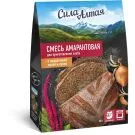
What does amaranth contribute nutritionally and how does it affect the baked result? — AMARAND AND ONION BAKING MIXTURE 200G SILA ALTAJA - Altai Specialist ( amaranth + luk )
Amaranth stands out among grains and pseudocereals for its protein quality — it contains lysine, an essential amino acid often limited in wheat, maize, and rice. Per 100 g of whole amaranth, you typically find 13–15 g protein, 6–7 g fiber, and meaningful amounts of iron (≈7 mg) and magnesium (≈250 mg). The mix delivers a portion of these nutrients, diluted by the other flours and the dried onion, so treat it as a nutritional boost rather than a concentrated supplement.
In baking, amaranth flour absorbs more water than wheat flour and lacks gluten-forming proteins. This means batters will be thicker and the final crumb more tender, slightly denser, and moister. The flavor is mildly nutty and earthy, which pairs well with the sweet-onion notes from the dried onion. Because there is no gluten network, structure relies on egg, xanthan gum (if present in the mix), or the starch gelatinization during baking. Expect less rise than a wheat-flour batter; the result is closer to a hearty flatbread, a moist muffin, or a crisp cracker than a fluffy loaf.
If you blend this mix 25–50 % with your usual wheat flour in a recipe, you gain some of the nutritional profile and flavor while retaining more of the light texture you may be used to.