Free delivery: Estonia €30 · Latvia €35 · Lithuania €40 · Finland €60 · Poland €50
Free delivery: Estonia €30 · Latvia €35 · Lithuania €40 · Finland €60 · Poland €50. 14 days to return unopened goods. Original products from official suppliers. Convenient payment: bank links, Visa/Mastercard, Apple Pay, Google Pay, PayPal. We explain how the products differ and help you choose
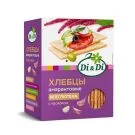
What are the practical differences in using these amaranth crispbreads compared to regular wheat crackers or bread? — Crunchy Amaranth Crispbreads with Garlic, 195 g – CORP DI&DI
The main differences stem from the gluten-free blend of corn, rice, and amaranth flours. This creates a dry, crisp texture that is structurally light but holds shape well under spreads, though it may be more brittle than some wheat-based crackers. Nutritionally, amaranth contributes more protein than standard crackers, and the absence of gluten makes them suitable for people avoiding it. In practical use, they work best as a vehicle for toppings where crunch is desired—such as with dips, soups, or open-faced sandwiches—rather than as a soft bread substitute for hefty fillings. For balanced meals, consider them a component: pair a few pieces with protein-rich toppings like cottage cheese or egg salad, and fresh vegetables, to create a satisfying light meal or snack. They are not a substitute for a balanced diet.