Free delivery: Estonia €30 · Latvia €35 · Lithuania €40 · Finland €60 · Poland €50
Free delivery: Estonia €30 · Latvia €35 · Lithuania €40 · Finland €60 · Poland €50. 14 days to return unopened goods. Original products from official suppliers. Convenient payment: bank links, Visa/Mastercard, Apple Pay, Google Pay, PayPal. We explain how the products differ and help you choose
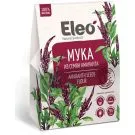
What are some everyday ways to incorporate Amaranth flour into my meals? — AMARANT SEED FLOUR 200G ELEO - Altai Specialist ( FLOUR FROM SEMJAN AMARANTA)
Because the whole seed is ground, amaranth flour retains more of the original plant components than refined flours. This makes it a practical ingredient for everyday cooking. One simple way to use it is to stir a tablespoon or two into a bowl of hot milk or water and let it thicken into a porridge. The resulting dish is creamy, slightly nutty, and provides a good source of plant protein.
In smoothies, a tablespoon of amaranth flour can be blended with fruit, yogurt, and a splash of juice. The flour adds thickness and a subtle earthy flavor without overpowering the fruit profile. It also helps the smoothie stay satiety‑inducing for longer.
For a quick protein‑enriched breakfast, mix amaranth flour into plain or flavored yogurt. Stir until the mixture is smooth; the flour will absorb some of the liquid, creating a thicker consistency similar to a parfait base.
Amaranth flour can also be incorporated into soups and sauces. Add a teaspoon to a vegetable soup or a roux made from a small amount of butter and flour; the flour will thicken the liquid while adding a mild nutty taste. Be sure to whisk continuously to avoid lumps.
When baking at home, you can replace a portion of the flour in muffins, pancakes, or quick breads with amaranth. Because it is gluten‑free, it is especially useful for those who avoid wheat. Use it in combination with other flours, as described above, to maintain a desirable texture. These everyday applications allow you to enjoy the nutritional benefits of amaranth without needing specialized recipes.