Free delivery: Estonia €30 · Latvia €35 · Lithuania €40 · Finland €60 · Poland €50
Free delivery: Estonia €30 · Latvia €35 · Lithuania €40 · Finland €60 · Poland €50. 14 days to return unopened goods. Original products from official suppliers. Convenient payment: bank links, Visa/Mastercard, Apple Pay, Google Pay, PayPal. We explain how the products differ and help you choose
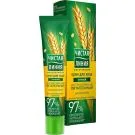
My skin is combination — can I still use it, or is it strictly for dry skin? — TL NIGHT INTENSIVE NOURISHING FACE CREAM FOR DRY SKIN WITH WHEAT OIL AND ALOE VERA 40ML - Junilever
The cream is formulated for dry skin, but combination skin can still work with it — the key is where you apply it. Rather than covering the whole face, use it on the areas that actually feel tight or rough by evening: typically the cheeks, around the mouth, the jawline and the neck. On the oilier T-zone (forehead, nose, chin), a texture this rich can feel heavy and sit on the surface rather than absorb, so it is better left out or covered with a much lighter product.
The formula pairs two different actions: wheat germ oil supplies lipids that reduce moisture loss from the skin surface, while aloe vera gel attracts and holds water in the upper layers. That combination is exactly what dehydrated cheeks need, but the lipid component is more than an already oily zone requires.
A practical way to judge it on your own skin: apply it zonally for a week and check how each area looks in the morning. If the cheeks feel supple and the T-zone stays comfortable, the zonal approach is working. If even the drier areas feel coated in the morning, use a thinner layer or apply it every other night instead of daily.