Free delivery: Estonia €30 · Latvia €35 · Lithuania €40 · Finland €60 · Poland €50
Free delivery: Estonia €30 · Latvia €35 · Lithuania €40 · Finland €60 · Poland €50. 14 days to return unopened goods. Original products from official suppliers. Convenient payment: bank links, Visa/Mastercard, Apple Pay, Google Pay, PayPal. We explain how the products differ and help you choose
In cooking, psyllium is valued above all in gluten-free baking: it is what helps dough hold its shape and not fall apart. Wheat flour contains gluten, which gives dough elasticity and cohesion — without it, bread or pancakes made from rice, buckwheat or almond flour crumble easily. Psyllium partly takes over this function: when mixed with water, it forms a gel-like structure that binds the ingredients together and makes the dough more pliable.
Typical uses in recipes:
Bread and crispbreads — psyllium helps the loaf hold its shape during baking and gives a denser, more “bread-like” crumb.
Pancakes and crêpes — it improves the cohesion of batter made without eggs or with fewer eggs.
Desserts and energy bars — it adds fibre and helps the mixture hold together.
An important point: psyllium absorbs a great deal of moisture, so recipes use it in small amounts — usually 1–2 teaspoons per batch of dough. Add too much and the bake will turn out overly dense or “rubbery”. It is best to follow a specific recipe and adjust the amount of liquid if necessary.
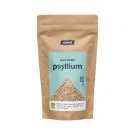
ICONFIT Psülliumi pulber is 100% pure organic psyllium husk with no additives, which makes it neutral in taste and suitable for most recipes without changing the flavour profile of the dish.