
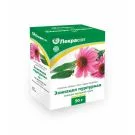
The herbal origin of the product does not mean that it suits everyone without exception. There are people for whom echinacea is not suitable, and those who should consult a specialist before using it:
- Pregnant and breastfeeding women. Pregnancy and breastfeeding are listed among the contraindications, so echinacea is not used during this time.
- People allergic to plants of the daisy family (Asteraceae). Echinacea belongs to this family, so people who react to chamomile, calendula, ragweed or chrysanthemums may experience a cross-reaction.
- People with autoimmune diseases. In conditions such as rheumatoid arthritis, lupus or multiple sclerosis, the use of echinacea must be agreed with the attending doctor.
- Those taking immunosuppressants or other medicines. Herbal ingredients can interact with medicines, so it is important to check compatibility with a specialist.
- Children. The directions for use are given only for adults, so use in children requires consultation with a paediatrician.
If none of the above restrictions apply to you, purple coneflower in natural raw-material form is a straightforward and familiar option for a home herbal blend.