
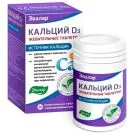
The complex is intended for adults and adolescents over 14 years of age. It is added to the diet in several typical situations:
- Limited dairy intake. Milk, cheese and cottage cheese are the main dietary sources of calcium. If they are excluded or severely restricted (because of taste preferences, lactose intolerance or dietary habits), it is harder to get enough of the mineral from ordinary food.
- The cold season. In winter there is less sunlight and the skin produces less vitamin D3 — which means calcium absorption may also decline.
- Intensive training. With regular physical exertion, the need for minerals for bones and muscles increases.
- An age at which bone density becomes a priority. Over the years, maintaining an adequate intake of calcium and D3 from food and supplements becomes particularly important.
It is important to understand that the supplement complements the diet but does not replace a complete diet. The supplement is not taken in case of individual intolerance to its ingredients, and consulting a doctor before you start is recommended — especially if you are prone to kidney stones, have calcium metabolism issues or take other mineral complexes.