Free delivery: Estonia €30 · Latvia €35 · Lithuania €40 · Finland €60 · Poland €50
Free delivery: Estonia €30 · Latvia €35 · Lithuania €40 · Finland €60 · Poland €50. 14 days to return unopened goods. Original products from official suppliers. Convenient payment: bank links, Visa/Mastercard, Apple Pay, Google Pay, PayPal. We explain how the products differ and help you choose
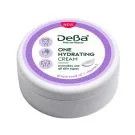
I have sensitive or easily irritated skin – is this cream okay? — Moisturizing Cream for Face, Hands, and Body with Grape Seed and Vitamin E, 200ml - DeBa
Because the formula contains fragrance, people with very reactive or easily irritated skin should not assume it will be safe for them. The most practical way to decide is to test the cream on a small area of skin before using it on your face or a larger body area. Choose a discreet spot such as the inside of the forearm or behind the ear, apply a small amount, and wait at least 24 hours to see whether redness, itching or a rash appears.
Patch test – apply once and leave it on; do not wash the area for several hours so you are testing normal wear.
Watch for irritation – if the test spot becomes red or feels irritated, do not use the product on larger areas.
Avoid broken skin – do not apply the cream to cuts, scrapes, sunburned or otherwise damaged skin, as the formula is meant for intact skin only.
If you have oily or acne-prone skin, this product may feel heavier than your usual face moisturizer. In that case, use it on hands or body, where the richer formula is usually better tolerated. If you have a diagnosed skin condition or are uncertain whether a moisturizer is appropriate, ask a dermatologist before introducing a new product. In general, cosmetic moisturizers are meant for comfort and hydration, not to treat skin disease, and they should be discontinued if any irritation appears.