Free delivery: Estonia €30 · Latvia €35 · Lithuania €40 · Finland €60 · Poland €50
Free delivery: Estonia €30 · Latvia €35 · Lithuania €40 · Finland €60 · Poland €50. 14 days to return unopened goods. Original products from official suppliers. Convenient payment: bank links, Visa/Mastercard, Apple Pay, Google Pay, PayPal. We explain how the products differ and help you choose
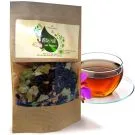
How should I store the 50 g pouch to keep the tea fresh, and how long does it stay good? — ELDER HEMP TEA "STRENGTH OF YOUTH" 50G SIBIR BEZ GRANITS ( ivan-chai )
Fermented fireweed is more stable than green tea or unfermented herbals because oxidation has already occurred, but it still degrades with exposure to air, light, heat, and moisture. The 50 g pouch is a moderate quantity — most households will finish it in 4–8 weeks with daily use — so proper storage preserves the honey-woody aroma and prevents the leaves from absorbing foreign odors. Transfer the tea to an airtight tin or ceramic jar with a tight-fitting lid if the original pouch lacks a reliable reseal. Glass jars work only if kept in a dark cupboard; light accelerates chlorophyll breakdown and fades the amber liquor color.
Ideal conditions: 15–20 °C, relative humidity below 60 %, away from the stove, dishwasher, or sunny windowsill. Do not store near coffee, spices, scented candles, or cleaning products — fermented leaves are porous and will absorb aromatics within days. The refrigerator is unnecessary and risky: condensation forms when you open a cold jar into warm kitchen air, introducing moisture that can trigger mold. If your kitchen is very humid (above 70 %), add a food-grade silica gel packet to the jar (not loose in the tea).
Shelf life: the producer typically dates this type of product 18–24 months from production. The tea remains safe indefinitely if kept bone-dry, but the volatile aromatics — the honey, woody, dried-fruit notes — fade gradually after 12–18 months. You will notice the dry leaf scent weakening first; the brewed liquor becomes flatter, less sweet, and the amber color pales. If you detect any musty, hay-like, or sour smell, or see clumping or surface fuzz, discard the batch. For reference, 50 g yields roughly 20–25 cups at 2–2.5 g per cup, so a single-person household drinking one cup daily will turnover the pack well within the peak window.