Free delivery: Estonia €30 · Latvia €35 · Lithuania €40 · Finland €60 · Poland €50
Free delivery: Estonia €30 · Latvia €35 · Lithuania €40 · Finland €60 · Poland €50. 14 days to return unopened goods. Original products from official suppliers. Convenient payment: bank links, Visa/Mastercard, Apple Pay, Google Pay, PayPal. We explain how the products differ and help you choose
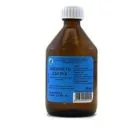
How is this softening liquid different from a regular hand cream, and when does it make sense to choose it? — Hand softening liquid 80ml – Tulskaja farmatsevticheskaja fabrika
A typical hand cream sits on top of the skin as an occlusive layer — it seals in moisture with oils and waxes, but it does little to change texture that has already turned hard and coarse. This liquid takes another approach. It is a traditional ammonia-glycerin-alcohol formula, and each of its three components has a distinct role: glycerol attracts and holds water in the upper layers of the skin, ammonia solution in a low working concentration acts as a mild alkaline softener that loosens hardened surface cells, and ethanol keeps the texture light so the liquid spreads evenly and absorbs without a greasy film.
In practice, this means it makes sense to reach for it when the problem is roughness rather than simple dryness — visibly coarse patches around the fingers, knuckles or palms after gardening, housework, frequent washing or cold weather. If your skin is only slightly dry and a light lotion handles it, this product is probably more than you need. But if creams seem to just slide over the hardened surface without changing how it feels, this old-school liquid format is the kind of product designed for exactly that situation.
The two are not mutually exclusive: many people use the liquid first to soften rough texture, then apply a regular cream once the skin feels smoother, so the cream can do its job on more receptive skin.