Free delivery: Estonia €30 · Latvia €35 · Lithuania €40 · Finland €60 · Poland €50
Free delivery: Estonia €30 · Latvia €35 · Lithuania €40 · Finland €60 · Poland €50. 14 days to return unopened goods. Original products from official suppliers. Convenient payment: bank links, Visa/Mastercard, Apple Pay, Google Pay, PayPal. We explain how the products differ and help you choose
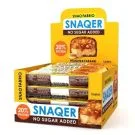
The main difference is the sweetener and macronutrient profile. Instead of regular sugar, this bar uses sucralose, stevia, and sorbitol, which keeps the sugar content low while still delivering a sweet taste. It also contains soluble corn fiber and oligofructose, so part of the carbohydrate content is fiber rather than fast-digesting sugar. Each 50 g bar provides 10 g of protein, which is noticeably more than most standard candy bars, and the peanuts contribute naturally present fats and a dense bite.
The chocolate-style glaze is made with cocoa and milk components, and sea salt is added to sharpen the peanut-caramel flavor. The result is closer to a salty-sweet candy bar than to a plain protein bar. The exact sugar and carbohydrate figures are printed on the nutrition label; the product is formulated to keep sugar low relative to typical candy bars, but it is not sugar-free.
In practical terms, this bar can be a more balanced choice than a candy bar when you want something sweet, but it is still a processed, sweetened snack. It is not a substitute for a full meal and is best treated as an occasional part of a varied diet. If you are used to regular candy bars, expect a denser texture and a different kind of sweetness — sugar alcohols and stevia do not taste identical to table sugar and can leave a slight cooling aftertaste.