Free delivery: Estonia €30 · Latvia €35 · Lithuania €40 · Finland €60 · Poland €50
Free delivery: Estonia €30 · Latvia €35 · Lithuania €40 · Finland €60 · Poland €50. 14 days to return unopened goods. Original products from official suppliers. Convenient payment: bank links, Visa/Mastercard, Apple Pay, Google Pay, PayPal. We explain how the products differ and help you choose
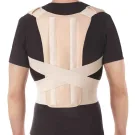
Unlike softer posture correctors that rely on elastic tension, the rigid model provides a firm mechanical fixation. This means it physically limits excessive forward rounding of the shoulders and thoracic area, guiding the upper body into a straighter, more stable position. You should choose this rigid version if you find that lighter elastic bands are insufficient to remind you to sit up straight or if you require more noticeable positioning support.
This level of support is particularly beneficial for individuals who spend long hours sitting, tend to slouch significantly, or need extra trunk stability during recovery from an injury or procedure. The rigid structure helps reduce unnecessary strain on back muscles and ligaments that often become overworked due to poor posture. However, because it provides stronger hold, it is essential to ensure it fits correctly to avoid excessive pressure or discomfort during wear.