Free delivery: Estonia €30 · Latvia €35 · Lithuania €40 · Finland €60 · Poland €50
Free delivery: Estonia €30 · Latvia €35 · Lithuania €40 · Finland €60 · Poland €50. 14 days to return unopened goods. Original products from official suppliers. Convenient payment: bank links, Visa/Mastercard, Apple Pay, Google Pay, PayPal. We explain how the products differ and help you choose
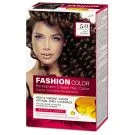
The formula includes three conditioning components that address common side effects of oxidative dyeing. Rice protein is a film-forming protein that adheres to the hair's outer cuticle layer. By smoothing overlapping cuticle scales, it reduces light scattering — which the eye perceives as increased shine — and helps the newly formed pigment appear more even across the surface.
The fixing balm supplied for after-rinsing contains keratin and vitamins. Keratin is a structural protein naturally found in hair; the cosmetic version deposits on damaged areas of the cuticle, temporarily filling gaps and reducing the rough, straw-like feel that can follow the alkaline opening of the cuticle during coloring. The vitamins (typically panthenol and vitamin E derivatives in such balms) add humectant and antioxidant support, helping the hair retain moisture and feel softer.
Practical aftercare: use the fixing balm immediately after rinsing the dye, leave it on for the recommended time (usually 3–5 minutes), then rinse thoroughly. For the first 48 hours, avoid shampooing — this lets the cuticle fully close and the oxidative reaction complete. Going forward, a sulfate-free shampoo and a weekly protein-rich mask help maintain the smoothed cuticle. Minimize heat styling and always use a heat protectant; colored hair is more prone to moisture loss and breakage at the ends.