Free delivery: Estonia €30 · Latvia €35 · Lithuania €40 · Finland €60 · Poland €50
Free delivery: Estonia €30 · Latvia €35 · Lithuania €40 · Finland €60 · Poland €50. 14 days to return unopened goods. Original products from official suppliers. Convenient payment: bank links, Visa/Mastercard, Apple Pay, Google Pay, PayPal. We explain how the products differ and help you choose
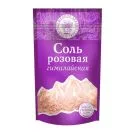
Coarse Himalayan pink salt behaves differently from fine table salt in three practical ways. First, crystal size: a teaspoon of coarse salt contains less actual salt by weight than a teaspoon of fine salt because air gaps between larger crystals take up space. If a recipe calls for 1 teaspoon of table salt, start with roughly 1.25 to 1.5 teaspoons of this coarse salt and taste as you go. Second, dissolution rate: larger crystals dissolve more gradually. In marinades, brines, or stews, add the salt earlier — 15 to 30 minutes before finishing — so crystals fully dissolve and distribute evenly. For quick-cooking dishes like scrambled eggs or a pan sauce, crush a pinch between fingertips or use a mill to speed dissolution. Third, texture as a feature: the crunch is intentional when used as a finishing garnish on roasted vegetables, grilled meat, buttered toast, or chocolate desserts. Sprinkle a few whole crystals just before serving. For spice blends, grind a portion finely and leave some coarse for texture contrast. Because the flavour is milder and rounder than table salt, you may naturally use slightly more by taste without oversalting, but remember the sodium content per gram is essentially the same — moderation still matters.
 Loading