Free delivery: Estonia €30 · Latvia €35 · Lithuania €40 · Finland €60 · Poland €50
Free delivery: Estonia €30 · Latvia €35 · Lithuania €40 · Finland €60 · Poland €50. 14 days to return unopened goods. Original products from official suppliers. Convenient payment: bank links, Visa/Mastercard, Apple Pay, Google Pay, PayPal. We explain how the products differ and help you choose
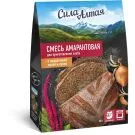
Start with the liquid-to-mix ratio printed on the package; it is calibrated for the specific blend of amaranth flour and other flours in the mix. Water gives the most neutral result, kefir adds a slight tang and helps tenderize the crumb, while plant drinks (oat, soy, almond) contribute their own flavor and a touch of sweetness. An egg provides structure and richness, which is useful if you want a more cake-like texture for muffins or pancakes.
Whisk the liquid and mix until just combined — overmixing develops gluten from any wheat flour present and can make the result tough. Let the batter rest 5–10 minutes; this hydrates the amaranth and dried onion, improving both texture and flavor release. For oven baking, preheat to 180–200 °C and use parchment paper or a lightly oiled tin. For pan-cooked flatbreads or pannkoogid, heat a non-stick skillet over medium, brush lightly with oil, and pour batter to desired thickness; flip when bubbles set and edges look dry.
Optional additions: a tablespoon of olive oil per 200 g mix improves crumb softness; seeds (sunflower, pumpkin, flax) add crunch and nutrition; dried herbs (oregano, thyme) complement the onion. If the batter seems too thick, thin with a splash more liquid; if too thin, let it rest longer or add a teaspoon of the mix at a time.