Free delivery: Estonia €30 · Latvia €35 · Lithuania €40 · Finland €60 · Poland €50
Free delivery: Estonia €30 · Latvia €35 · Lithuania €40 · Finland €60 · Poland €50. 14 days to return unopened goods. Original products from official suppliers. Convenient payment: bank links, Visa/Mastercard, Apple Pay, Google Pay, PayPal. We explain how the products differ and help you choose
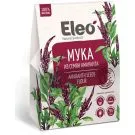
Amaranth flour behaves differently from wheat flour because it lacks gluten, the protein that gives dough elasticity. To achieve a pleasant crumb and avoid a dense texture, it is best mixed with a higher‑gluten or gluten‑free flour such as oat, rice, or a commercial blend. A common starting point is to replace 20–30 % of the total flour weight with amaranth. For example, in a cake recipe that calls for 200 g of all‑purpose flour, use 140 g all‑purpose and 60 g amaranth. This proportion keeps the structure while adding the nutty flavor and extra protein.
When baking pancakes or quick breads, add a tablespoon of xanthan gum per 100 g of amaranth flour to help bind the batter. For savory items like cutlets or vegetable fritters, combine amaranth with a small amount of chickpea or oat flour; the latter adds a subtle earthiness that complements the seed’s taste. If you prefer a completely gluten‑free mix, blend amaranth with rice flour and a touch of tapioca starch; this mixture mimics the chewiness of wheat dough.
Because amaranth flour absorbs more liquid than wheat flour, adjust the wet ingredients slightly. Add an extra 1–2 tablespoons of milk, water, or yogurt per 100 g of amaranth to keep the batter moist. For dough‑based recipes, knead gently and let the mixture rest for 10–15 minutes; this allows the starches to gelatinise and improves the final texture.
Finally, keep the oven temperature a few degrees lower than usual (about 5–10 °C) to prevent the edges from drying out, and bake until a toothpick inserted into the center comes out clean. With these adjustments, amaranth flour can be a versatile, protein‑rich addition to both sweet and savory baked goods.