Free delivery: Estonia €30 · Latvia €35 · Lithuania €40 · Finland €60 · Poland €50
Free delivery: Estonia €30 · Latvia €35 · Lithuania €40 · Finland €60 · Poland €50. 14 days to return unopened goods. Original products from official suppliers. Convenient payment: bank links, Visa/Mastercard, Apple Pay, Google Pay, PayPal. We explain how the products differ and help you choose
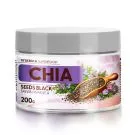
You do not always have to soak chia seeds, but soaking is often the most practical way to use them. When chia seeds come into contact with liquid, they swell and form a soft gel. This is why they work well in overnight breakfasts, yogurt mixtures, chia puddings and thicker smoothies. If you mix them with milk, plant-based drink or yogurt in the evening, you can have a ready breakfast base by morning.
Dry chia seeds can still be sprinkled onto porridge, yogurt, smoothie bowls or baked goods. The key difference is texture: dry seeds stay more noticeable and slightly crunchy at first, while soaked seeds become softer and help thicken the food. If you add dry chia to a very thick food, the seeds may not have enough liquid to swell evenly, so the result can be drier or less pleasant.
Because this product is high in dietary fibre, it is a good idea to use it with enough liquid, especially if you are adding it to your diet for the first time. Start with a modest amount and see how your digestion feels before increasing. Chia is not a substitute for a balanced diet, and if you are pregnant, breastfeeding, have a chronic condition or take medication, consult a specialist before making significant dietary changes.