Free delivery: Estonia €30 · Latvia €35 · Lithuania €40 · Finland €60 · Poland €50
Free delivery: Estonia €30 · Latvia €35 · Lithuania €40 · Finland €60 · Poland €50. 14 days to return unopened goods. Original products from official suppliers. Convenient payment: bank links, Visa/Mastercard, Apple Pay, Google Pay, PayPal. We explain how the products differ and help you choose
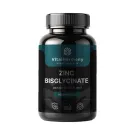
Zinc comes in different chemical forms: oxide, sulfate, citrate, gluconate, picolinate and chelated forms, including bisglycinate. The difference between them lies primarily in how the mineral is ‘packaged’ and how the body interacts with it.
In bisglycinate, the zinc atom is bound to two molecules of the amino acid glycine. This chelated structure makes the compound stable in the gastrointestinal tract: it does not react as readily with other components of food or supplements that can reduce the absorption of the mineral. That is why chelated forms are often seen as a more predictable option for regular use.
Another practical point: bisglycinate is often better tolerated than, for example, zinc sulfate, which causes stomach discomfort in some people, especially when taken on an empty stomach. This makes bisglycinate a convenient choice for those who have a sensitive digestion or take several supplements at the same time.
At the same time, it is important to understand that the form affects tolerance and absorption but does not turn the supplement into a medicine. Zinc bisglycinate is a source of the mineral to supplement the diet, not a treatment for any condition. If you already take complexes containing zinc, it is worth checking the total amount of the mineral so as not to exceed the recommended dosage.