Free delivery: Estonia €30 · Latvia €35 · Lithuania €40 · Finland €60 · Poland €50
Free delivery: Estonia €30 · Latvia €35 · Lithuania €40 · Finland €60 · Poland €50. 14 days to return unopened goods. Original products from official suppliers. Convenient payment: bank links, Visa/Mastercard, Apple Pay, Google Pay, PayPal. We explain how the products differ and help you choose
Bran is the outer layer of the grain (wheat, oats, rye) and is rich mainly in insoluble fibre. This fibre hardly absorbs any water; instead, it mechanically stimulates the intestinal walls, speeding up the movement of their contents. For some people this effect is too intense: bloating, irritation and discomfort may occur — especially with sensitive digestion.
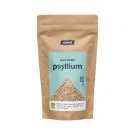
Psyllium consists of the seed husks of the plantain species Plantago ovata and contains mainly soluble fibre. On contact with water it forms a soft gel that coats the intestinal contents and makes their passage smoother. This mechanism is considered gentler and is better tolerated by people with a sensitive gut.
Another practical difference is texture and use. Bran has a distinct taste and a grainy texture that is noticeable in dishes. Psyllium is almost neutral in taste and, used correctly, disperses in liquid or dough without changing the flavour profile. This makes it easy to add to smoothies, yoghurt or baking without significantly altering the final dish.
Finally, psyllium is gluten-free, which matters for those following a gluten-free diet — most traditional brans are made from gluten-containing cereals.