Free delivery: Estonia €30 · Latvia €35 · Lithuania €40 · Finland €60 · Poland €50
Free delivery: Estonia €30 · Latvia €35 · Lithuania €40 · Finland €60 · Poland €50. 14 days to return unopened goods. Original products from official suppliers. Convenient payment: bank links, Visa/Mastercard, Apple Pay, Google Pay, PayPal. We explain how the products differ and help you choose
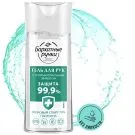
Can this gel be used on heavily soiled or visibly dirty hands, and what is the correct method of application for maximum effectiveness? — Br antiseptic gel for hands 100ml – Junilever
It is crucial to understand the limitations of alcohol-based hand gels regarding physical soil. This antiseptic gel is designed to reduce microbes on the skin surface by disrupting their outer structures and denaturing proteins. However, organic matter, dirt, grease, and visible soil can physically shield microorganisms from the alcohol, significantly reducing its efficacy. Therefore, if your hands are visibly dirty, greasy, or contaminated with substances like mud or heavy grime, this gel is not the appropriate choice. In such cases, washing your hands thoroughly with soap and water is the only effective method to remove both the physical dirt and the microbes trapped within it. This gel is best reserved for situations where hands are relatively clean but potentially contaminated with invisible pathogens, such as after touching public transport handles, door knobs, or before eating when washing facilities are not immediately available.
For maximum effectiveness when using the gel, proper application technique is key. Dispense an adequate amount into your palm to ensure full coverage. Spread the gel across all surfaces of your hands, including the backs of your hands, between your fingers, and under your fingernails if possible. Rub your hands together vigorously until the gel is completely absorbed and your hands are dry. Do not rinse it off with water, as this would remove the active ingredient before it has had time to work. The 70% ethyl alcohol concentration requires a brief contact time to be effective, so allowing the gel to air dry naturally is essential. Avoid wiping your hands on a towel immediately after application, as this can remove the product before it has fully acted on the skin surface.