Free delivery: Estonia €30 · Latvia €35 · Lithuania €40 · Finland €60 · Poland €50
Free delivery: Estonia €30 · Latvia €35 · Lithuania €40 · Finland €60 · Poland €50. 14 days to return unopened goods. Original products from official suppliers. Convenient payment: bank links, Visa/Mastercard, Apple Pay, Google Pay, PayPal. We explain how the products differ and help you choose
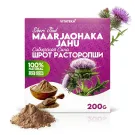
Not as a direct, one-to-one replacement for wheat or other gluten-containing flours. This milk thistle seed flour lacks gluten and has different binding and rising properties, so substituting all the flour in a standard recipe will likely result in a dense, crumbly texture. It is best used as a complementary ingredient to enrich your bakes. A practical approach is to replace 10-20% of the total flour in a recipe with milk thistle flour. For example, if a pancake recipe calls for 1 cup of all-purpose flour, use ¾ cup all-purpose and ¼ cup milk thistle flour. This adds its nutritional components — fibre, plant protein, and characteristic plant compounds — without compromising the structure of your baked goods. It works well in recipes that are inherently more forgiving or dense, such as banana bread, energy balls, flatbreads, or crackers. Remember, its primary role here is as a functional food ingredient to diversify your nutrient intake, not as a structural base. For best results, combine it with other gluten-free flours like oat or buckwheat if you are creating a fully gluten-free blend.
 Loading