Free delivery: Estonia €30 · Latvia €35 · Lithuania €40 · Finland €60 · Poland €50
Free delivery: Estonia €30 · Latvia €35 · Lithuania €40 · Finland €60 · Poland €50. 14 days to return unopened goods. Original products from official suppliers. Convenient payment: bank links, Visa/Mastercard, Apple Pay, Google Pay, PayPal. We explain how the products differ and help you choose
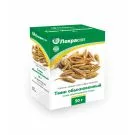
Caraway (Carum carvi) is a member of the Apiaceae (umbellifer) family. People who react to celery, fennel, anise, coriander, dill, parsley, or carrot may also react to caraway because of shared allergenic proteins. If you have known sensitivities to any of these, start with a very small amount — a pinch in food or a weak infusion — and observe for any itching, swelling, or digestive discomfort.
During pregnancy and breastfeeding, traditional culinary amounts are generally considered normal dietary intake, but concentrated herbal infusions or supplement-level use warrant a conversation with a midwife, doctor, or pharmacist. The essential oil components (carvone, limonene) are present in the whole fruit at natural levels, but their concentration in a strong daily tea is higher than in occasional seasoning.
If you are on regular medication — especially drugs metabolised by CYP450 enzymes, since limonene can interact with some pathways — mention caraway use to your prescriber. This is a precaution, not a known contraindication for culinary quantities.
Stop use if any unwanted reaction appears (skin rash, breathing difficulty, digestive upset). The product is not intended to diagnose, treat, or prevent any disease. It is a food-grade dried fruit suitable for culinary and infusion use as part of a varied, balanced diet.