Free delivery: Estonia €30 · Latvia €35 · Lithuania €40 · Finland €60 · Poland €50
Free delivery: Estonia €30 · Latvia €35 · Lithuania €40 · Finland €60 · Poland €50. 14 days to return unopened goods. Original products from official suppliers. Convenient payment: bank links, Visa/Mastercard, Apple Pay, Google Pay, PayPal. We explain how the products differ and help you choose
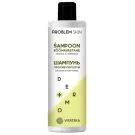
Many people with oily scalps worry that washing more often or with a stronger shampoo will either dry out the lengths or cause the scalp to overproduce oil in response. This formula is designed with that concern in mind. It contains glycerin and betaine, which help bind water and reduce the stripped feeling that stronger cleansing products can leave behind. It also contains panthenol, which helps the scalp feel less tight after washing. So while the shampoo is aimed at oily, flaky scalps, it does not rely on aggressive degreasing alone.
That said, hair ends have different needs from the scalp. If your lengths are dry or damaged, keep the shampoo focused on the scalp and roots, then use your usual conditioner or a light leave-in product on the lengths. There is no need to pile the shampoo onto the entire hair length; the scalp is where it is meant to work.
As for rebound oiliness, it is not a direct effect of this specific shampoo; oil production is influenced by hormones, genetics, washing habits and other factors. The zinc sulfate in the formula is included to help regulate excess oil, meaning the scalp surface may stay less congested between washes. No cosmetic product changes the skin’s biology permanently. If you notice that your scalp becomes oilier after using the shampoo, check whether you are washing with very hot water, rinsing inadequately, or using a heavy conditioner near the roots.
Consistency matters more than harshness. Washing two to three times a week with a gentle anti-dandruff shampoo is usually a better starting point than using a very stripping product once a week. The goal is a clean scalp without a dry, tight feeling. If your scalp still feels uncomfortable after adjustment, consider alternating with a mild everyday shampoo and see if that balances things out.