Free delivery: Estonia €30 · Latvia €35 · Lithuania €40 · Finland €60 · Poland €50
Free delivery: Estonia €30 · Latvia €35 · Lithuania €40 · Finland €60 · Poland €50. 14 days to return unopened goods. Original products from official suppliers. Convenient payment: bank links, Visa/Mastercard, Apple Pay, Google Pay, PayPal. We explain how the products differ and help you choose
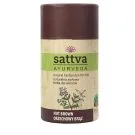
Will this herbal hair color work effectively on grey hair or previously bleached hair? — Natural Herbal Henna Hair Color, Walnut Brown 150 g — Sattva Ayurveda
Herbal hair colors like SATTVA Henna Natural Walnut Brown interact differently with various hair types, and managing expectations is crucial for achieving a satisfactory result. The pigment binds to the hair shaft, meaning the final shade is always influenced by your underlying base color and the condition of the hair. On natural, unbleached hair, the walnut-brown tone typically develops richly and evenly. However, on grey, white, or heavily bleached hair, the lack of natural melanin can lead to unpredictable results.
Grey hair often has a different porosity and texture compared to pigmented hair, which can cause the herbal pigments to absorb unevenly or appear more orange or coppery rather than the desired brown. Similarly, previously bleached hair is highly porous and may grab the color too intensely or unevenly. Because plant powders do not create a flat, opaque cover like chemical dyes, they may not fully mask grey hairs, instead blending them with a translucent tint.
To avoid disappointment, a strand test is especially useful and highly recommended for anyone with very light, bleached, grey, or previously chemically treated hair. This allows you to assess how your specific hair responds to the oxidation process and the final tone. Additionally, if you have a history of allergies or sensitive skin, performing a patch test before full application is a necessary safety precaution.