Free delivery: Estonia €30 · Latvia €35 · Lithuania €40 · Finland €60 · Poland €50
Free delivery: Estonia €30 · Latvia €35 · Lithuania €40 · Finland €60 · Poland €50. 14 days to return unopened goods. Original products from official suppliers. Convenient payment: bank links, Visa/Mastercard, Apple Pay, Google Pay, PayPal. We explain how the products differ and help you choose
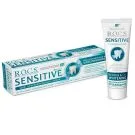
Surface stains from coffee, tea, and red wine sit on the outside of the enamel, and this is exactly the type of discoloration this toothpaste targets. Because the formula is low-abrasive and polishes gently, it gives the teeth a cleaner, glossier look without the rough sensation some whitening products leave behind.
That said, it is worth being clear about what whitening means here. The paste does not rely on peroxide, so it does not bleach the tooth structure. It removes and polishes surface stains layer by layer with regular brushing. Natural tooth color — which varies from person to person — will not change to a dramatically whiter shade. The result is more about restoring a bright, fresh surface than changing the color of the dentin underneath.
For the best effect, brush with this paste twice a day as part of a normal routine. If your teeth are heavily stained from years of strong coffee or smoking, a toothpaste alone will only do so much; professional cleaning by a dental hygienist removes deeper accumulated stains more thoroughly. After a professional cleaning, a gentle low-abrasive paste like this one is a sensible everyday choice to maintain the result without wearing the enamel.
One practical point: coffee, tea, and red wine continue to deposit new stains after every cup, so the whitening effect is always a balance between removal and new staining. Some people find that reducing how often they sip staining drinks, or rinsing with water afterward, helps the polished look last longer between brushings.