Free delivery: Estonia €30 · Latvia €35 · Lithuania €40 · Finland €60 · Poland €50
Free delivery: Estonia €30 · Latvia €35 · Lithuania €40 · Finland €60 · Poland €50. 14 days to return unopened goods. Original products from official suppliers. Convenient payment: bank links, Visa/Mastercard, Apple Pay, Google Pay, PayPal. We explain how the products differ and help you choose
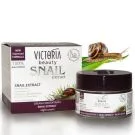
The difference is in the texture and occlusion level. Day creams are typically lighter, faster-absorbing, and designed to sit well under sunscreen and makeup. They often prioritize a non-greasy finish over maximum barrier protection. Night creams like this one use a denser emollient base that forms a more substantial film on the skin surface.
During sleep, several factors make a richer base advantageous:
No environmental exposure — no wind, UV, pollution, or frequent washing to disrupt the film.
Longer contact time — 6–8 hours of uninterrupted wear lets hydrating ingredients (hyaluronic acid from the snail filtrate, allantoin) remain on the stratum corneum longer.
Reduced transepidermal water loss (TEWL) — the occlusive layer slows evaporation, which is especially helpful in heated or air-conditioned rooms where humidity drops at night.
You can use a day cream at night if it provides enough comfort, but if you regularly wake up with tightness, rough patches, or a "sandpaper" feel — particularly in winter or after long flights — a night cream's richer base addresses that specific gap. This product also delivers the snail filtrate's peptide fractions and glycosaminoglycans in a vehicle designed to keep them in place, rather than rubbing off on a pillow within an hour.
If your skin is oily or prone to clogged pores, you may still prefer a lighter gel-cream at night; this formula suits all types but is most beneficial for those who want a fuller, more nourishing texture overnight.