Free delivery: Estonia €30 · Latvia €35 · Lithuania €40 · Finland €60 · Poland €50
Free delivery: Estonia €30 · Latvia €35 · Lithuania €40 · Finland €60 · Poland €50. 14 days to return unopened goods. Original products from official suppliers. Convenient payment: bank links, Visa/Mastercard, Apple Pay, Google Pay, PayPal. We explain how the products differ and help you choose
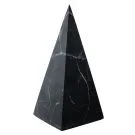
The pyramid is a mineral object meant to support a more intentional environment, not to produce a measurable effect on its own. Where you put it depends on which transition you want to mark. On a work desk or study area, it can serve as a small visual anchor when you start a task, a reminder to pause, or an object to look at during a short break. On a bedside table, it can be part of a wind-down routine before sleep. On a shelf in a shared living room, it simply contributes to a calmer, more natural interior. A 4×7 cm pyramid is compact enough for any of these spots without taking up much space.
A common way to use it is to place it near a computer or television if you want to create a more relaxed atmosphere in an otherwise screen-heavy space. You can also put it in a meditation corner, on a window sill, or next to a chair where you read. The idea is not that the stone itself changes the room, but that its presence gives you a visual cue to slow down, breathe, or shift from work to rest.
To make that cue more effective, choose one fixed place and keep the pyramid there, or move it with intention. If you want to use it for better concentration or sleep, pair it with simple habits: switch off notifications, dim lights, keep a consistent bedtime, or set a timer for focused work. The pyramid should never replace practical steps like managing screen time, improving sleep hygiene, or reducing stress. Treat any energetic or spiritual effects as personal and subjective.