Free delivery: Estonia €30 · Latvia €35 · Lithuania €40 · Finland €60 · Poland €50
Free delivery: Estonia €30 · Latvia €35 · Lithuania €40 · Finland €60 · Poland €50. 14 days to return unopened goods. Original products from official suppliers. Convenient payment: bank links, Visa/Mastercard, Apple Pay, Google Pay, PayPal. We explain how the products differ and help you choose
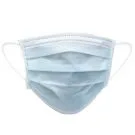
This mask is a good match when you want a simple disposable barrier between your nose and mouth and the surrounding air. People commonly choose it for public transport, shops, waiting rooms, shared offices, visits, and short-term contact in clinical or service environments. Its rectangular shape is quick to put on and easy to store in a bag, in the car, or at work. Because it is single-use, it is also convenient when you need a fresh mask for visitors or when you are out for a short time.
The Type 2 bacterial filtration efficiency of at least 98% is the reason the mask works well for these droplet-contact settings. However, this mask is not a respirator and is not intended for high-risk aerosol exposure. If you are in a professional or clinical situation where aerosols are generated, or in an environment where airborne particles are a confirmed concern, an FFP2 or FFP3 respirator is designed for that purpose because it forms a tighter seal and filters smaller particles. The same applies if your concern is dust, smoke, or air pollution: a medical face mask of this type is not the correct tool for that.
No matter which mask you choose, it remains one element of a broader routine. Use the mask for the situation, replace it once it becomes damp, damaged, or visibly soiled, dispose of it correctly, and do not try to reuse it. If you have a chronic condition, are pregnant or breastfeeding, are taking medication, or are unsure which mask type fits your situation, consult a specialist before use.