Free delivery: Estonia €30 · Latvia €35 · Lithuania €40 · Finland €60 · Poland €50
Free delivery: Estonia €30 · Latvia €35 · Lithuania €40 · Finland €60 · Poland €50. 14 days to return unopened goods. Original products from official suppliers. Convenient payment: bank links, Visa/Mastercard, Apple Pay, Google Pay, PayPal. We explain how the products differ and help you choose
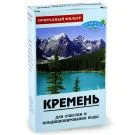
Traditional practice recommends glass or ceramic water containers for flint conditioning, as these materials don't interact with or absorb the mineral properties of the flint. These container types allow the full sensory effect to develop without interference from plastic components or metallic containers that might alter the water's characteristics in unintended ways.
If using plastic containers, food-grade materials are essential to avoid chemical leaching, though the product documentation specifically highlights glass and ceramic as preferred options. The container should be clean and suitable for water storage, with enough space to submerge the flint stones completely while allowing room for the water's surface area contact.
Avoid containers that previously held chemicals or strong odors, as these could transfer to the conditioned water. The stones themselves should remain intact and free from cracks or damage, as compromised stones may not provide consistent conditioning effects.