Free delivery: Estonia €30 · Latvia €35 · Lithuania €40 · Finland €60 · Poland €50
Free delivery: Estonia €30 · Latvia €35 · Lithuania €40 · Finland €60 · Poland €50. 14 days to return unopened goods. Original products from official suppliers. Convenient payment: bank links, Visa/Mastercard, Apple Pay, Google Pay, PayPal. We explain how the products differ and help you choose
The key difference lies in the base formula and its intended interaction with the skin. Most modern spot treatments are gels, serums, or light creams designed to deliver active ingredients like salicylic acid or benzoyl peroxide into the pore. They absorb to work from within.
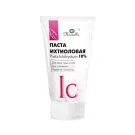
Mirrolla's paste works from the surface outward. Its foundation of petrolatum, beeswax, and silicones creates a semi-occlusive, protective film over the applied area. This film has two main purposes: it helps shield vulnerable skin from external irritants and friction, and it creates a microenvironment that aids in softening the skin's surface by reducing moisture loss (transepidermal water loss). The sodium shale oil sulfonate (ichthyol) is held against the skin within this film to help calm the look of irritation.
Practically, this means the paste is not meant to 'disappear' or absorb fully. It will remain visible and tactile on the skin. It's a format chosen for its staying power and protective quality on small, localized areas, rather than for delivering a quickly absorbing treatment. It may be preferred for rough patches or spots that feel inflamed and benefit from a physical barrier, as opposed to purely clogged pores.