Free delivery: Estonia €30 · Latvia €35 · Lithuania €40 · Finland €60 · Poland €50
Free delivery: Estonia €30 · Latvia €35 · Lithuania €40 · Finland €60 · Poland €50. 14 days to return unopened goods. Original products from official suppliers. Convenient payment: bank links, Visa/Mastercard, Apple Pay, Google Pay, PayPal. We explain how the products differ and help you choose
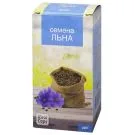
Whole flax seeds are practical for soaking, as the soluble fiber in them forms a soft gel that changes their texture, making them gentler on the digestive tract. You can add soaked whole seeds to porridge, yogurt, or salads for a different mouthfeel. Ground flax seeds, made by milling the whole seeds, are much easier to mix directly into foods like smoothies, batters, or doughs for home baking without changing the texture as noticeably.
The main consideration is that grinding breaks the seed's hard outer shell, which may make the nutrients inside—like the alpha-linolenic acid (ALA) omega-3, plant protein, and lignans—more accessible for your body to use. If your primary goal is adding fiber bulk, whole seeds work well. For potentially easier digestion and nutrient integration into meals, ground flax is often preferred. You can buy them pre-ground or grind whole seeds yourself in a clean coffee or spice grinder as needed, as ground flax can go rancid faster due to its oil content.