Free delivery: Estonia €30 · Latvia €35 · Lithuania €40 · Finland €60 · Poland €50
Free delivery: Estonia €30 · Latvia €35 · Lithuania €40 · Finland €60 · Poland €50. 14 days to return unopened goods. Original products from official suppliers. Convenient payment: bank links, Visa/Mastercard, Apple Pay, Google Pay, PayPal. We explain how the products differ and help you choose
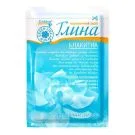
The product is noted for its versatility, being suitable for both face/body masks and scalp masks. The core action—absorbing excess oil and refreshing the surface—is the same. The difference lies in the application area, thickness of the paste, and what you might expect from the result.
For a face or body mask, you would typically mix the clay to a smooth paste and apply a thin, even layer to clean, slightly damp skin, avoiding the immediate eye area. It’s left on for about 10-15 minutes until it dries, then rinsed off. This is chosen for a deep-cleansing effect, to leave skin feeling smoother and less greasy, and is especially suitable for oily or combination skin or areas prone to visible impurities.
For a scalp mask, the application is different. Part damp hair into sections and apply the paste directly to the scalp (not the hair lengths) using fingers or an applicator brush. The silicon content is associated with a fresher scalp environment and stronger-looking hair. It's often used by those who want an occasional clarifying treatment to reduce the feeling of buildup from styling products and excess oil. Leave on for 5-10 minutes, then shampoo and condition thoroughly to remove all residue. This use is more about clarifying than moisturizing.
In both cases, follow the precautions: avoid use on irritated skin, test first if you have sensitive skin, and moisturize the face or condition the hair afterward to counteract any potential dryness.