Free delivery: Estonia €30 · Latvia €35 · Lithuania €40 · Finland €60 · Poland €50
Free delivery: Estonia €30 · Latvia €35 · Lithuania €40 · Finland €60 · Poland €50. 14 days to return unopened goods. Original products from official suppliers. Convenient payment: bank links, Visa/Mastercard, Apple Pay, Google Pay, PayPal. We explain how the products differ and help you choose
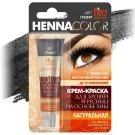
The main difference lies in the coloring system. Regular professional tints usually rely on oxidative dyes containing ammonia and hydrogen peroxide to open the hair shaft and deposit color. Fitocosmetic Henna Color is free from ammonia and hydrogen peroxide, so the tint works more by coating the hair with pigment and natural henna than by permanently changing its structure from inside. That makes it a gentler option for the sensitive eye area, which is also why it can be a practical at-home choice between salon visits.
The cream texture matters, too. A cream spreads evenly and stays where you put it, so it is easier to apply a precise line on brows and a thin layer on lashes than with a runny liquid. The henna content helps the final color look fuller and more soft-edged rather than flat, and the included plant oils (argan oil, wheat germ oil, burdock root oil, cocoa butter) plus arnica and lavender extracts can leave the hairs smoother and glossier. This “biolamination-like” effect is temporary: it improves the surface appearance of the hair without permanently altering it.
In practice, the result is normally more subtle than a strong chemical tint. Because there is no peroxide, the dye cannot lighten your natural hair; it can only add depth and a cooler tone. If you are used to a long-lasting oxidative tint, expect a softer, more natural-looking finish and a product that is gentler on the hairs around the eyes.