Free delivery: Estonia €30 · Latvia €35 · Lithuania €40 · Finland €60 · Poland €50
Free delivery: Estonia €30 · Latvia €35 · Lithuania €40 · Finland €60 · Poland €50. 14 days to return unopened goods. Original products from official suppliers. Convenient payment: bank links, Visa/Mastercard, Apple Pay, Google Pay, PayPal. We explain how the products differ and help you choose
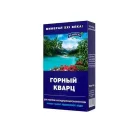
Unlike cartridge or jug systems that push water through a replaceable medium to remove substances, this 150 g rock quartz product works by simple infusion: loose crystals are placed directly into water and left to stand. There is no mechanism, battery, or housing, so the interaction is based on contact between water and the mineral surface over time rather than mechanical filtration. The result is the water settling and its sensory qualities—such as how it feels and tastes—possibly changing, which is why users often choose it for tea, face washing, cosmetic mixing, and plant watering.
A cartridge jug is typically used when the goal is to reduce specific contaminants quickly through a defined filter medium, whereas quartz crystals are chosen as a low-maintenance, non-electrical tradition-based method for gradual conditioning. The crystals can remain in repeated use for an extended period before replacement, making the format straightforward but slow. It is not a substitute for certified filtration where water safety is uncertain, and it should be used only as intended for household water preparation.
Because the format is loose mineral rather than a sealed system, cleaning and storage are manual: keep the crystals clean, use a clean container, and replace them at the recommended interval. People who prefer older domestic practices or want prepared water on hand for several situations at once—drinking, hot drinks, rinsing, cosmetics, plants, and pets—may find this method suitable alongside, not instead of, technical filters when source water is questionable.