Free delivery: Estonia €30 · Latvia €35 · Lithuania €40 · Finland €60 · Poland €50
Free delivery: Estonia €30 · Latvia €35 · Lithuania €40 · Finland €60 · Poland €50. 14 days to return unopened goods. Original products from official suppliers. Convenient payment: bank links, Visa/Mastercard, Apple Pay, Google Pay, PayPal. We explain how the products differ and help you choose
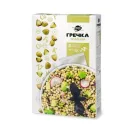
The primary difference lies in the processing. The brown buckwheat commonly found in stores has been roasted at high temperatures, which develops a strong, toasty, nutty flavor and changes the texture of the groats. In contrast, this product consists of green buckwheat, which is the unroasted form of Fagopyrum esculentum. Because it has not been subjected to high heat, it retains more of its original plant compounds, such as rutin and other flavonoids, which are valued as part of a varied diet rich in plant nutrients.
From a culinary perspective, the absence of roasting means the flavor is significantly milder and slightly earthy rather than robust. The texture is also softer. This makes green buckwheat an excellent choice for those who find the taste of roasted buckwheat too intense or who prefer a neutral base for their meals. It allows the flavors of accompanying ingredients, such as vegetables, legumes, or herbs, to shine without competing with a strong grain taste.
Additionally, the nutritional profile differs slightly due to the lack of heat treatment. Green buckwheat provides a complete set of essential amino acids, making its protein profile distinct among grains. If you are looking for a whole-grain alternative that is naturally gluten-free and offers a lighter, less heavy sensory experience, this unroasted variety is a suitable option.