Free delivery: Estonia €30 · Latvia €35 · Lithuania €40 · Finland €60 · Poland €50
Free delivery: Estonia €30 · Latvia €35 · Lithuania €40 · Finland €60 · Poland €50. 14 days to return unopened goods. Original products from official suppliers. Convenient payment: bank links, Visa/Mastercard, Apple Pay, Google Pay, PayPal. We explain how the products differ and help you choose
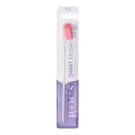
The compact brush head is useful because it gives you more control in areas where space is limited, especially around back teeth. A smaller head can be easier to angle behind molars and along the inner surfaces of teeth, so you are less likely to miss spots simply because the brush cannot reach them comfortably.
The dense bristle arrangement helps increase contact with the tooth surface, the gum line and the spaces between teeth. Because the bristles are soft, flexible and elastic, they can follow the shape of teeth and gums more comfortably than firmer bristles when used with light pressure. This is especially relevant for daily brushing, where repeated harsh pressure can make the gum area feel irritated.
The cleaning mechanism is physical: the brush removes plaque through gentle scrubbing movements rather than through any chemical action of the brush itself. For best results, pair the toothbrush with your usual toothpaste, brush all tooth surfaces carefully, and use interdental cleaning tools if your dentist recommends them, since no manual toothbrush can fully clean tight spaces between teeth on its own.