Free delivery: Estonia €30 · Latvia €35 · Lithuania €40 · Finland €60 · Poland €50
Free delivery: Estonia €30 · Latvia €35 · Lithuania €40 · Finland €60 · Poland €50. 14 days to return unopened goods. Original products from official suppliers. Convenient payment: bank links, Visa/Mastercard, Apple Pay, Google Pay, PayPal. We explain how the products differ and help you choose
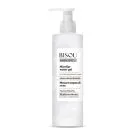
What does the low-molecular-weight sodium hyaluronate actually do in a rinse-off cleanser, and will it leave a film or residue? — BISOU MICELLAR GEL GENTLE MAKE-UP REMOVER FOR ALL SKIN TYPES AND SENSITIVE EYES 150ML - Gridem
Low-molecular-weight sodium hyaluronate is a smaller-chain form of hyaluronic acid that can penetrate the stratum corneum more readily than high-molecular-weight versions. In a leave-on serum, it acts as a humectant reservoir; in a rinse-off cleanser, its role is different but still meaningful. During the 30–60 seconds the gel sits on your skin while you massage, the hyaluronate molecules bind water at the skin surface and upper epidermal layers, creating a temporary hydration buffer that counters the stripping effect surfactants can have on the lipid barrier.
Because the concentration is calibrated for a wash-off format and the gel base is non-greasy, it does not leave an occlusive film or tacky residue after rinsing or wiping. The sensation afterward is typically described as clean but not "squeaky" — skin feels supple, not tight. The botanical actives in the formula complement this by providing additional skin-conditioning agents that remain briefly on the surface during cleansing and rinse away cleanly.
If you have very dry or compromised barrier skin, you may still want to follow with a hydrating toner or essence while the skin is damp, then lock it in with moisturizer. The cleanser supports comfort during the cleansing step itself; it is not a substitute for leave-on hydration.